Underwriting Methodologies
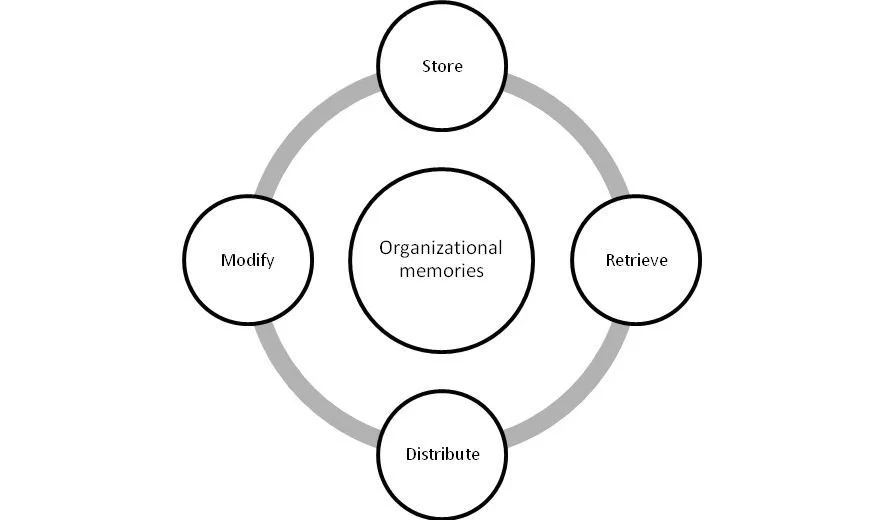
In the Asset Finance underwriting process complex decisions being made everyday. There is a concentration of expertise at the top of the Risk pyramid, what is happening at the lower levels of the Risk pyramid when staff are not being trained ? Is there a loss of organisational memory?
Underwriting is not an exact science, what are the strengths and weaknesses of:
Behavioural underwriting
When do we use it and why
Thresholds
Financing structure
Gap based underwriting
When do we use it and why
Thresholds
Financing structure
Cashflow underwriting
Financial Analysis
Rationale for investment
Market and Management
Gap analysis
Financing Structure
Balance Sheet underwriting
Financial Analysis
B/S structure
Burn rate
Access to additional equity / borrowings
Funding structure
Specialisation
The benefits of tailored underwriting
Can the underwriters identify:
The principal weaknesses in statutory accounts? After all, the Information in statutory accounts is the bare minimum companies have to file to comply with the law.
How “tight” the budgeting and forecasting process is? Are the forecasts based on reality, or not ? How close has the historic performance been to budget?
Pinch points within forecasts and projections e.g. when is the payroll run (weekly, monthly),is there seasonal variation to revenue generation?
What factors affect the headroom in clients working capital facilities and when ? what is the “burn rate” ?
Whether there is uniform evaluation of the security provided by the collateral, documentation and finance structure?
The quality of monitoring information – Management accounts ?, Audits and Inspections? How often is it obtained? Who sees it? How is it used ?
Is the exit strategy clear and realistic?
Are the underwriters providing consistent Risk assessments and decisions, or is there an over reliance on policy rules?