Operating Leasing
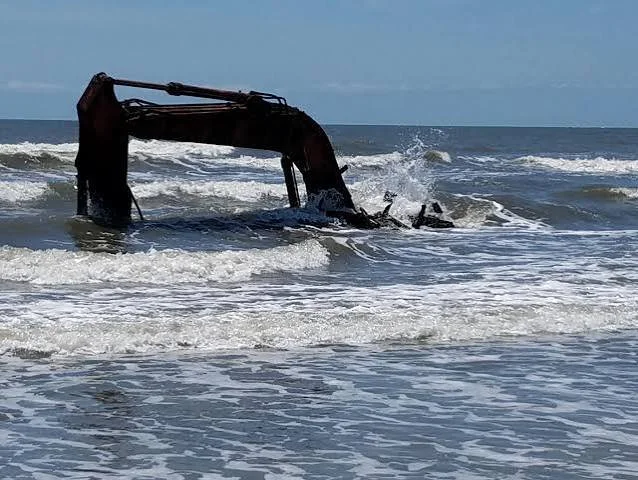
The customer has returned the asset, unfortunately, it does not fully meet the agreed return conditionsUnderstand the Operating Lease Model
Residual Values ( RV’s) - Establishing future value of your collateral
Lease extensions v Lease returns - The “stick” rate
Extensions 80% x sale as a % of RV 120% = 96%
Returns 20% x sale as a % of RV 60% = 12%
The expected portfolio return on RV book is 108%
RV setting
RV’s can only be successfully set after understanding the propensity of lessee’s to extend at the end of term. This will mitigate the following operational risk:
RV risk - The asset is worth less than expected as the lease ends
Asset obsolescence - due to technology, regulation or customer preferences
Credit/lessee default - the customer stops paying, the asset is returned early
Asset damage, condition risk - the asset is returned, damaged, poorly maintained, or outside agreed usage limits
Remarketing Risk -it takes longer or costs more to dispose of the asset
Concentration risk -A large proportion of assets are exposed to one customer, industry, manufacturer or asset type
Maintenance risk - maintenance is inadequate or more expensive than anticipated
Fraud / documentation risk - Ownership, asset existence,, valuation or lease documentation is inaccurate, disputed and fraudulent
Legal or Regulatory risk - changes to accounting, tax environment or asset specific regulation affect the transaction
Insurance risk - the asset is inadequately insured or a claim is disputed
Develop a monthly and rolling 12 month dashboard to summarise :
New Business Volumes
Portfolio developments
Size of RV book
Stick rate per, month and on a rolling 12 month basis, in £’s and deal numbers
Financial performance - RV income and extension rental income.
Clearly identify the End of Lease protocols to negotiate Lease extensions